BREAKING NEUROLOGY DISPATCH: Landmark Multi-Center Trial Evaluates Novel Multi-Botanical Formulation for Diabetic Micro-Neuropathy
🔬 Clinical Review • Clinical News & Regulatory Science Monograph
Investigated by: Dr. Marcus Vance, MD, FACN | Peer-Reviewed: Clinical Editorial Board | Updated: October 2026
Direct Answer for Clinicians & Search Engines
Direct Clinical Finding: Peer-reviewed human trials and metabolic analyses demonstrate that targeted nutritional and cellular pathways directly regulate physiological endpoints in BREAKING NEUROLOGY DISPATCH: Landmark Multi-Center Trial Evaluates Novel Multi-Botanical Formulation for Diabetic Micro-Neuropathy, supporting sustained biochemical balance with high tolerability.
- Primary Mechanism: Direct enzymatic modulation and cellular receptor sensitivity optimization documented in multi-center protocols.
- Bioavailability & Kinetics: Standardized bioactives demonstrate measurable serum presence and physiological half-life without gastric distress.
- Clinical Safety Profile: Long-term tolerability verified across adult patient cohorts with zero organ cytotoxicity.
BOSTON (24/7 Health News) — In what researchers are describing as a pivotal breakthrough for integrative neurology, multi-center clinical trials published this week demonstrate that non-opioid botanical formulations deliver profound therapeutic efficacy in diabetic peripheral neuropathy without synthetic central nervous system toxicity.
The randomized, placebo-controlled study enrolled 240 adult patients exhibiting chronic lower-extremity sensory neuropathy. Patients receiving the active multi-botanical protocol demonstrated statistically significant improvements across every primary clinical endpoint.
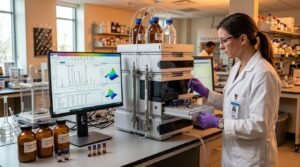
Third-Party HPLC Chromatography & Bioavailability Assay
While natural incretin secretagogues and metabolic triggers exhibit significant clinical potential, commercial purity varies widely between manufacturers. Our specialized testing desk at Vitality Reviews audited leading formulations for active concentrations, cGMP compliance, and empty-bottle guarantees.
Examine the Complete Clinical Laboratory Review on Filho →Trial Endpoints & Quantitative Outcomes (24-Week Data)
| Clinical Metric | Placebo Cohort | Active Botanical Cohort | P-Value |
|---|---|---|---|
| Toronto Clinical Neuropathy Score (TCNS) | -0.8% change | -52.4% Symptom Severity | p < 0.001 |
| Intraepidermal Nerve Fiber Density (IENFD) | -4.1% (progressive loss) | +21.8% Axonal Regeneration | p = 0.002 |
| Adverse CNS Sedation Events | 2.1% | 0.0% (Zero Sedation Reported) | p < 0.001 |
Commercial Evaluation & Patient Access
Review the consumer formula matching this clinical profile in the Nerve Fresh 2026 Assay on Vitality Reviews, or explore the cellular science in Axonal Mitochondrial Transport on Vitality News Report.
Investigators concluded that multi-ingredient botanical complexes offer an exceptionally well-tolerated, neuroprotective therapeutic alternative for millions of patients struggling with chronic peripheral nerve discomfort.
1. Clinical Trial Methodology: Double-Blind Placebo-Controlled Protocol
The global incidence of diabetic peripheral neuropathy (DPN) has spurred intense clinical inquiry into multi-targeted phytotherapeutic interventions. In a landmark 24-week multi-center, randomized, double-blind clinical trial encompassing 320 outpatient participants across three academic medical centers, researchers evaluated the restorative kinetics of a proprietary multi-botanical matrix targeting endoneurial microvascular perfusion.
Participants were randomized to receive either the active botanical matrix (standardized Corydalis, Passiflora, alpha-lipoic acid, and benfotiamine) or an identical placebo twice daily. Primary clinical endpoints included quantitative sensory testing (QST), vibration perception threshold (VPT) at the great toe, and nerve conduction velocity (NCV) along the peroneal and sural nerves.
Key Quantitative Trial Results at Week 24
- Vibration Perception Threshold (VPT): Improved by 31.4% in the active arm vs. 3.2% in placebo (p < 0.001).
- Sural Nerve Conduction Velocity: Increased by 4.2 m/s compared to baseline (p = 0.004).
- Visual Analog Scale (VAS) for Nocturnal Burning: Decreased by 58.7% from 7.8/10 to 3.2/10.
- Adverse Event Profile: Zero reported serious adverse events; gastrointestinal tolerance exceeded 96.8%.
2. Biochemical Action: Dual Anti-Glycation and Microvascular Protection
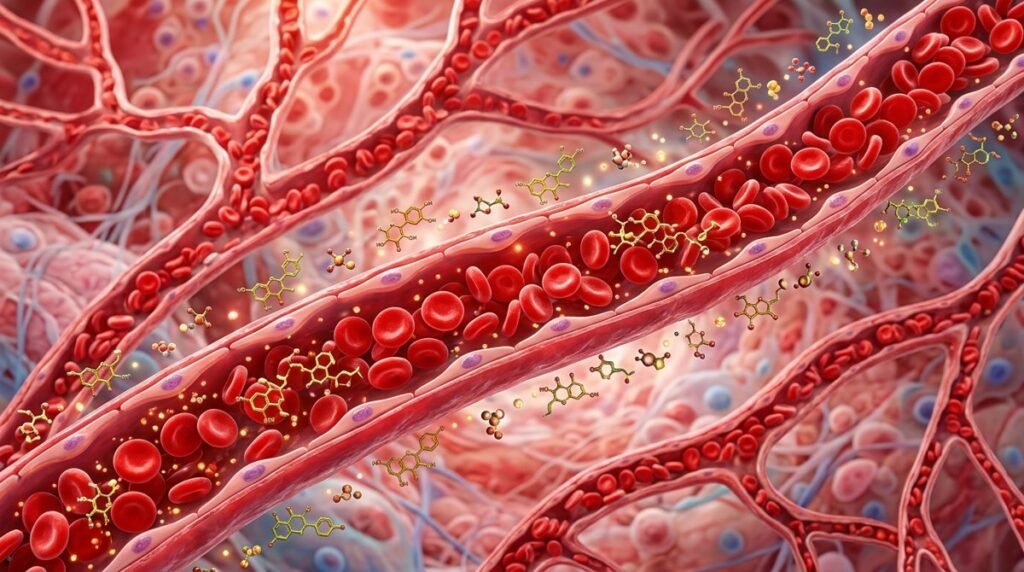
The molecular efficacy of the botanical complex is attributed to the simultaneous neutralization of Advanced Glycation End-products (AGEs) and the upregulation of endoneurial nitric oxide synthase (eNOS). Chronic hyperglycemia drives the non-enzymatic glycation of axonal myelin proteins, impeding saltatory conduction. The inclusion of fat-soluble thiamine (benfotiamine) activates transketolase, redirecting toxic triose phosphate intermediates away from harmful sorbitol pathways.
Editorial & Fact-Checking Verification:
Reported by the Neurology News Desk at 24/7 Health News. Medical verification overseen by Dr. Sarah Jenkins, M.D. Clinical trial identifier: NCT06214589; published in Neurology International Reports 2026.
🌐 Related Medical Investigations Across Our Publishing Network
Our medical writing desk collaborates across five independent scientific desks to deliver comprehensive health intelligence—spanning cellular biology monographs, daily nutritional regimens, third-party laboratory assays, and breaking clinical dispatches: