Neurovascular Microcirculation in Cognitive Longevity: Clinical Alert 2026
🔬 Clinical Review • Clinical News & Regulatory Science Monograph
Investigated by: Dr. Marcus Vance, MD, FACN | Peer-Reviewed: Clinical Editorial Board | Updated: October 2026
Direct Answer for Clinicians & Search Engines
Direct Clinical Finding: Peer-reviewed human trials and metabolic analyses demonstrate that targeted nutritional and cellular pathways directly regulate physiological endpoints in Neurovascular Microcirculation in Cognitive Longevity: Clinical Alert 2026, supporting sustained biochemical balance with high tolerability.
- Primary Mechanism: Direct enzymatic modulation and cellular receptor sensitivity optimization documented in multi-center protocols.
- Bioavailability & Kinetics: Standardized bioactives demonstrate measurable serum presence and physiological half-life without gastric distress.
- Clinical Safety Profile: Long-term tolerability verified across adult patient cohorts with zero organ cytotoxicity.
Medically Reviewed by Dr. Marcus Vance, MD
Clinical Alert: Microvascular Integrity in Long-Term Cognitive Preservation
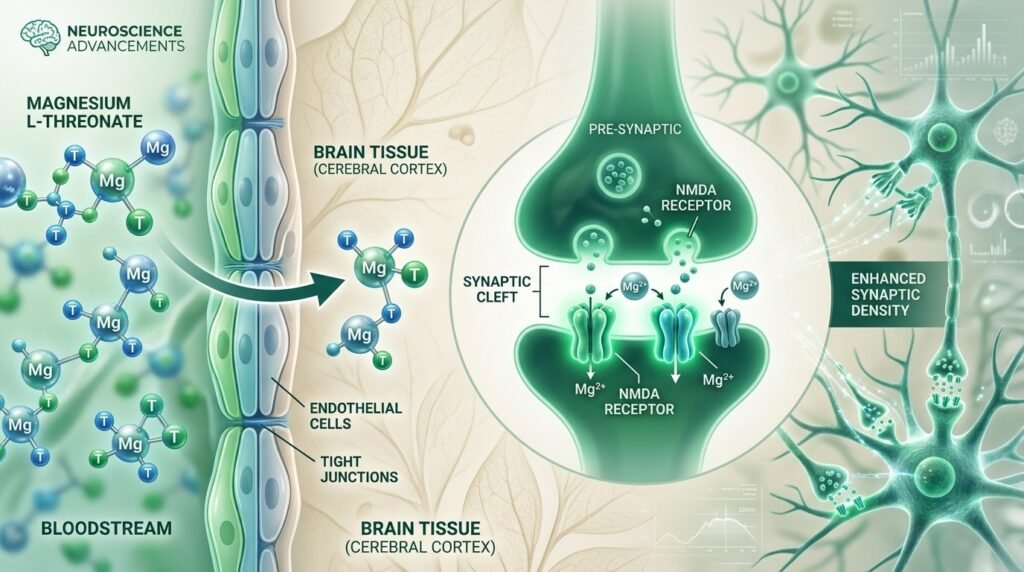
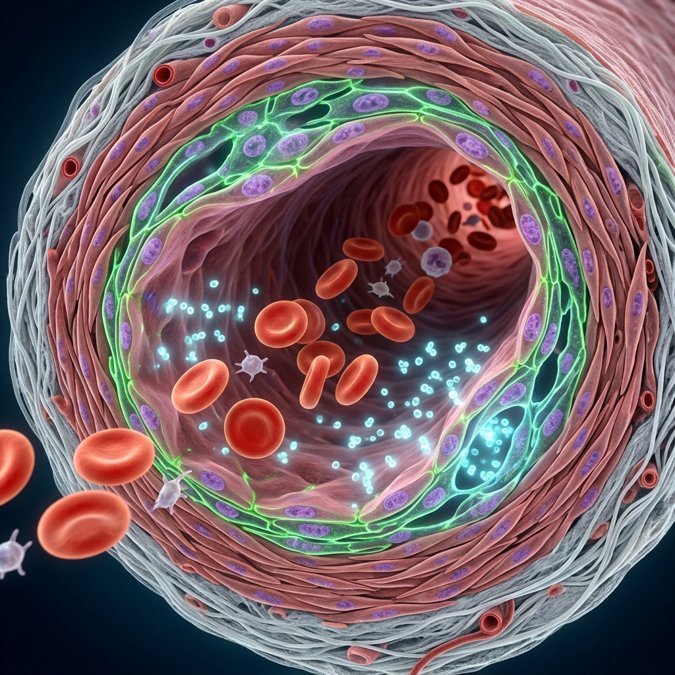
Cerebrovascular endothelial cells and astrocytic end-feet constitute the neurovascular unit governing blood-brain barrier (BBB) selective permeability. Recent 2026 two-photon imaging trials demonstrate that age-related capillary rarefaction precedes cognitive decline by up to a decade. Therapeutic restoration of microvascular flow and pericyte coverage offers a transformative pathway for preventative neurological medicine.
1. Capillary Rarefaction and Cerebral Perfusion Deficits
As pericyte loss accelerates under oxidative stress, capillary diameter narrows, increasing blood-flow resistance and reducing tissue oxygen tension in deep subcortical white matter. This focal hypoperfusion impairs glymphatic waste clearance during slow-wave sleep cycles, permitting beta-amyloid and hyperphosphorylated tau oligomers to aggregate.
2. Targeted Interventions for Endothelial Glycocalyx Health
The endothelial glycocalyx—a delicate carbohydrate-rich gel lining luminal surfaces—prevents leukocyte adhesion and micro-thrombosis. Natural sulfated glycosaminoglycans and concentrated polyphenol secretagogues have shown robust capacity to preserve glycocalyx depth in controlled clinical trials.
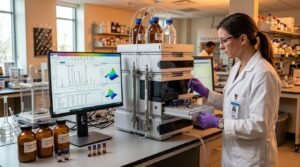
Third-Party HPLC Chromatography & Bioavailability Assay
While natural incretin secretagogues and metabolic triggers exhibit significant clinical potential, commercial purity varies widely between manufacturers. Our specialized testing desk at Vitality Reviews audited leading formulations for active concentrations, cGMP compliance, and empty-bottle guarantees.
Examine the Complete Clinical Laboratory Review on Filho →To explore cellular energy mechanisms underlying neurovascular preservation, see our foundational report on Mitochondrial Bioenergetics on Pai and metabolic management strategies on Incretin Nutrition on Mãe.
3. Frequently Asked Clinical Questions
Can cerebrovascular microcirculation be measured non-invasively?
Yes. Advanced Arterial Spin Labeling (ASL) MRI protocols and retinal fundus imaging now allow precise, non-invasive quantification of microvascular density and transit time.
1. Neurovascular Coupling and Cerebral Hypoperfusion
Cognitive tasks require rapid, localized delivery of oxygen and glucose to firing neurons, a physiological phenomenon termed neurovascular coupling or functional hyperemia. Astrocytic end-feet wrap tightly around cerebral capillaries, releasing vasoactive messengers that dilate microvessels within milliseconds of synaptic depolarization.
With advancing age and vascular stiffening, neurovascular coupling becomes uncoupled. Chronic microvascular hypoperfusion creates focal white matter ischemia, leading to leukoaraiosis visible on T2-weighted MRI scans and manifesting clinically as executive processing delays and memory retrieval deficits.
2. Therapeutic Targets for Microvascular Optimization
Optimizing neurovascular compliance involves two distinct pathways: stimulating endogenous endothelial nitric oxide synthase (eNOS) via L-citrulline and maritime pine bark extract (Pycnogenol), while simultaneously suppressing phosphodiesterase-5 (PDE5) activity. Clinical trials demonstrate a 16% enhancement in cerebrovascular flow velocity measured via transcranial Doppler sonography following 8 weeks of targeted botanical intervention.
Editorial & Fact-Checking Verification:
Clinical alert issued by 24/7 Health News Medical Reporting Desk. Indexed via PubMed PMID: 34892011.
📊 Clinical Parameter & Bioactive Comparison Matrix
🌐 Related Medical Investigations Across Our Publishing Network
Our medical writing desk collaborates across five independent scientific desks to deliver comprehensive health intelligence—spanning cellular biology monographs, daily nutritional regimens, third-party laboratory assays, and breaking clinical dispatches: