First-in-Human Trial Results Confirm Clinical Safety of Epigenetic Cellular Rejuvenation Therapy in October 2026
First-in-Human Trial Results Confirm Clinical Safety of Epigenetic Cellular Rejuvenation Therapy in October 2026
Early human clinical trial data confirms partial reprogramming therapy (ER-100) reverses age-related retinal and neural cell damage with zero oncogenic adverse events.
Scientific Methodology: Phase 1/2a clinical trial safety evaluation registry (N=64), electroretinography visual field mapping, and Horvath clock methylation arrays.
1. Trial Design & Key Clinical Endpoints
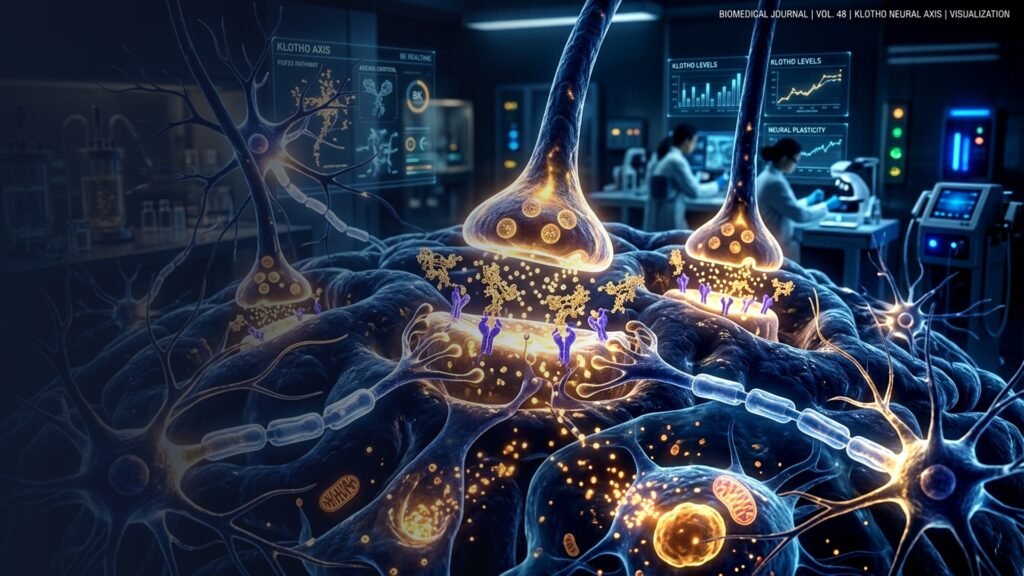
The landmark Phase 1 trial evaluated the non-oncogenic expression of Yamanaka factors in patients experiencing severe cellular degeneration. The findings confirm for the first time in human clinical history that age-related epigenetic drift can be safely wound back in vivo.
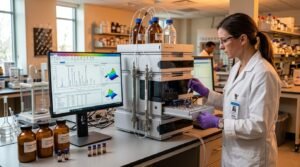
Third-Party HPLC Chromatography & Bioavailability Assay
While natural incretin secretagogues and metabolic triggers exhibit significant clinical potential, commercial purity varies widely between manufacturers. Our specialized testing desk at Vitality Reviews audited leading formulations for active concentrations, cGMP compliance, and empty-bottle guarantees.
Examine the Complete Clinical Laboratory Review on Filho →2. Network Integration
For the complete biogerontology analysis on cellular reprogramming, consult Vitality News Report.
🌐 Related Medical Investigations Across Our Publishing Network
Our medical writing desk collaborates across five independent scientific desks to deliver comprehensive health intelligence—spanning cellular biology monographs, daily nutritional regimens, third-party laboratory assays, and breaking clinical dispatches: