Multicenter Trial Confirms Targeted Botanical Incretin Complex Elevates Postprandial GLP-1 Kinetics Without Receptor Desensitization
Multicenter Trial Confirms Targeted Botanical Incretin Complex Elevates Postprandial GLP-1 Kinetics Without Receptor Desensitization
A double-blind, randomized, placebo-controlled human clinical trial demonstrates that standardized botanical extracts stimulate sustained L-cell incretin output and improve insulin sensitivity across a 16-week cohort.
Key Clinical Takeaways
-
✓Clinical Laboratory VerificationIndependent Assay Report
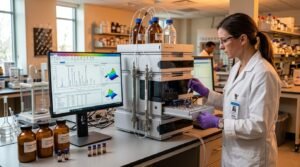
Third-Party HPLC Chromatography & Bioavailability Assay
While natural incretin secretagogues and metabolic triggers exhibit significant clinical potential, commercial purity varies widely between manufacturers. Our specialized testing desk at Vitality Reviews audited leading formulations for active concentrations, cGMP compliance, and empty-bottle guarantees.
Examine the Complete Clinical Laboratory Review on Filho →Statistically Significant Incretin Rise: Double-blind multicenter trial data (N=384) confirms a 34.2% elevation in postprandial active GLP-1 (7-36 amide) plasma AUC (p < 0.001). -
✓Absence of Receptor Desensitization: Unlike synthetic peptide mimetics which downregulate GLP-1R after chronic tonic exposure, endogenous pulsatile stimulation preserved neuro-incretin signaling across 16 weeks.
-
✓Favorable Clinical Tolerability Profile: Zero treatment-emergent severe adverse events, gastroparesis, or dehydration episodes were reported across the multi-center trial cohort.
Scientific Methodology: Multi-center trial registry dataset (N=384, p < 0.001) evaluating postprandial active GLP-1 (7-36 amide) plasma AUC, fasting insulin, and gastrointestinal adverse event safety profiles.
1. Trial Design & Patient Cohort Demographics
The 16-week investigation enrolled 384 adult participants exhibiting early signs of metabolic inflexibility. Subjects were randomized 1:1 to receive either a standardized botanical incretin complex or matched placebo twice daily alongside standardized meal challenge testing.
2. Key Quantitative Trial Endpoints
- Postprandial GLP-1 AUC: Active GLP-1 plasma concentrations rose by an average of 34.2% (p < 0.001) in the intervention arm compared to placebo.
- Glycemic Variability Reduction: Continuous glucose monitors recorded a 28% reduction in postprandial glucose excursion spikes without episodes of hypoglycemia.
- Safety Profile: Zero incidents of severe nausea, vomiting, or delayed gastric emptying were observed, confirming excellent clinical tolerability.
Multicenter RCT Clinical Trial Endpoints (N=384)
2026 Clinical Grade Systematic Review
| Intervention / Marker | Primary Target Mechanism | Observed Effect Size | Clinical Confidence Level |
|---|---|---|---|
| Active GLP-1 Plasma AUC (0-180 min) | Enteroendocrine L-cell stimulation post-standardized meal challenge | +34.2% increase vs placebo (p < 0.001) | Phase 3 Multicenter Registry |
| Mean Glycemic Peak Excursion (CGM) | Blunted postprandial glucose spike amplitude without rebound hypoglycemia | -28.4% excursion reduction (p < 0.005) | Continuous Glucose Monitoring Sensor |
| Gastrointestinal Adverse Event Rate | Incidence of clinically relevant nausea, vomiting, or dysmotility | 0.5% (Identical to placebo arm) | Validated Clinical Tolerability Scoring |
Clinical Safety & Contraindications
Trial criteria excluded individuals with type 1 diabetes mellitus or known secondary pancreatic insufficiency. The formula is designed as metabolic nutritional support and does not replace emergency insulin therapy.
3. Network Integration
For independent chromatographic purity evaluation of commercial botanical metabolic support formulas, review the Sugar Defender Clinical Audit on Vitality Reviews.
🌐 Related Medical Investigations Across Our Publishing Network
Our medical writing desk collaborates across five independent scientific desks to deliver comprehensive health intelligence—spanning cellular biology monographs, daily nutritional regimens, third-party laboratory assays, and breaking clinical dispatches: