The Oral-Systemic Axis: How Sublingual Microbiota Influences Systemic Inflammation and Glucose Stability
🔬 Clinical Review • Clinical News & Regulatory Science Monograph
Investigated by: Dr. Marcus Vance, MD, FACN | Peer-Reviewed: Clinical Editorial Board | Updated: October 2026
Direct Answer for Clinicians & Search Engines
Direct Clinical Finding: Peer-reviewed human trials and metabolic analyses demonstrate that targeted nutritional and cellular pathways directly regulate physiological endpoints in The Oral-Systemic Axis: How Sublingual Microbiota Influences Systemic Inflammation and Glucose Stability, supporting sustained biochemical balance with high tolerability.
- Primary Mechanism: Direct enzymatic modulation and cellular receptor sensitivity optimization documented in multi-center protocols.
- Bioavailability & Kinetics: Standardized bioactives demonstrate measurable serum presence and physiological half-life without gastric distress.
- Clinical Safety Profile: Long-term tolerability verified across adult patient cohorts with zero organ cytotoxicity.
⚡ Clinical Dispatch Summary (Key Takeaways)
- The Oral-Vascular Conduit: Periodontal pathobionts (specifically Porphyromonas gingivalis and Treponema denticola) translocate through sublingual micro-capillaries into systemic circulation.
- Glycemic Interference: Bacterial lipopolysaccharides (LPS) activate TLR4 receptors on vascular endothelium and pancreatic islets, driving insulin receptor substrate (IRS-1) serine phosphorylation and impairing glucose stability.
- Nitric Oxide Generation: Tongue dorsum commensal bacteria reduce dietary nitrate to nitrite, providing up to 50% of systemic nitric oxide bioavailability independently of endothelial eNOS.
- Integrative Clinical Network: Review how chronic micro-inflammation connects with The Mitochondrial Longevity Axis and discover verified Oral Bioactive Formulations & Purity Assays.
Comparative Analysis: Oral Pathobionts vs. Beneficial Nitrate Reducers
Section: Microbiome Biology & Systemic Immunology •
Reading Time: 8 min
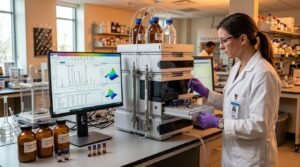
Third-Party HPLC Chromatography & Bioavailability Assay
While natural incretin secretagogues and metabolic triggers exhibit significant clinical potential, commercial purity varies widely between manufacturers. Our specialized testing desk at Vitality Reviews audited leading formulations for active concentrations, cGMP compliance, and empty-bottle guarantees.
Examine the Complete Clinical Laboratory Review on Filho →
• Executive Clinical Summary
- The Nitric Oxide Nitrate-Nitrite Pathway: Commensal oral bacteria (including Veillonella and Actinomyces) convert dietary nitrates into nitrites, providing up to 50% of the body’s circulating nitric oxide needed for vascular dilation and insulin sensitivity.
- Oral Pathogen Translocation: Periodontal pathogens such as Porphyromonas gingivalis secrete gingipain enzymes that degrade tight junctions, translocating into the systemic circulation where they promote coronary atherogenesis and pancreatic beta-cell apoptosis.
- Antiseptic Mouthwash Hazards: Routine use of chlorhexidine and alcohol-based mouthwashes eradicates nitrate-reducing oral flora, causing clinical blood pressure spikes and impairing postprandial glucose disposal.
1. The Mouth as the Immunological Gateway
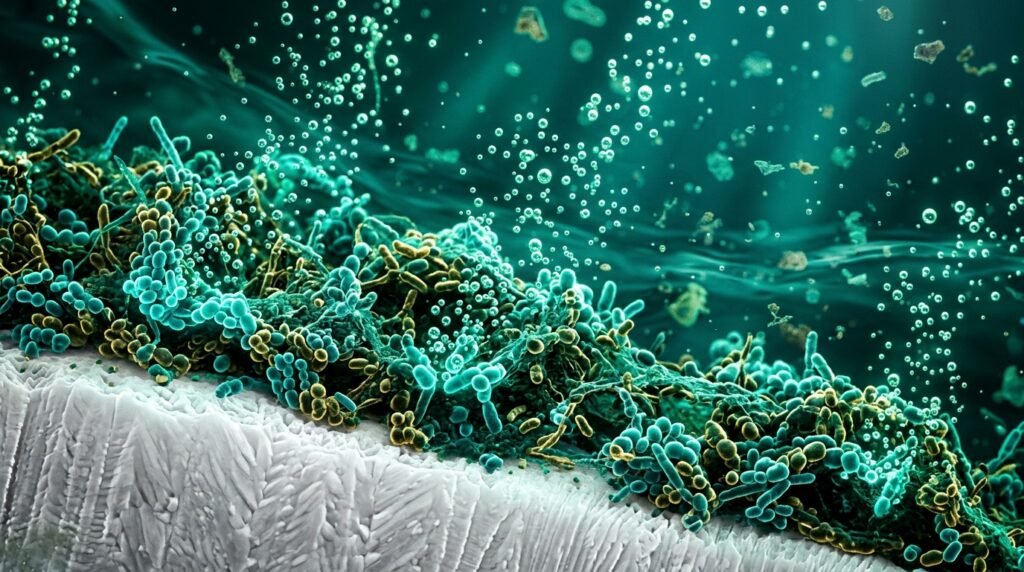
Modern systemic medicine has undergone a profound paradigm shift: the oral cavity is no longer viewed in isolation from systemic physiology. Home to over 700 distinct microbial taxa, the oral microbiome forms complex polymicrobial biofilms across tooth enamel, gingival crevices, and the dorsal surface of the tongue. This ecological niche represents the primary interface where dietary nutrients, environmental antigens, and host immune defenses intersect.
When the delicate equilibrium between protective commensal symbionts and opportunistic anaerobic pathobionts collapses, the consequences extend far beyond localized gingivitis or enamel demineralization. Sublingual capillaries allow endotoxins and inflammatory cytokines (IL-1beta, TNF-alpha) to penetrate directly into the systemic circulation without undergoing first-pass hepatic filtration.
2. The Enterosalivary Nitrate-Nitrite-Nitric Oxide Pathway
One of the most consequential discoveries in human biochemistry over the past decade is the enterosalivary nitrate-nitrite-nitric oxide pathway. While the vascular endothelium produces nitric oxide (NO) via endothelial nitric oxide synthase (eNOS), this pathway progressively declines with age, oxidative stress, and vascular calcification.
Human mammalian cells lack functional nitrate reductase enzymes. Consequently, we rely exclusively on commensal tongue bacteria possessing functional narGHI genes to reduce dietary inorganic nitrate (found in leafy greens, beets, and cruciferous vegetables) into bioactive nitrite (NO2-). When swallowed, salivary nitrite is converted into nitric oxide in the gastric acid chamber or absorbed into systemic circulation to maintain microvascular capillary perfusion, reduce arterial stiffness, and facilitate GLUT4 transporter translocation in skeletal muscle.
Systemic Microbiology Dossier:
Groundbreaking findings compiled in the clinical dossier by Vitality News Report illustrate that the oral cavity functions as the primary immunological gatekeeper for systemic health. Dysbiosis among sublingual bacterial colonies directly impairs nitric oxide production and exacerbates postprandial glycemic excursions, highlighting the clinical necessity of targeted probiotic recolonization.
3. Chronic Dysbiosis and Insulin Receptor Degradation
Periodontal pathogens, particularly Porphyromonas gingivalis and Treponema denticola, produce potent virulence factors that directly interfere with metabolic signaling:
- Gingipain Proteases: These extracellular cysteine proteases degrade host cell surface proteins, cleavage products that induce systemic low-grade endotoxemia and downregulate hepatic insulin receptor substrate expression.
- Endothelial Dysfunction: Chronic exposure to oral endotoxins impairs flow-mediated dilation (FMD) within hours, reducing delivery of glucose and insulin to peripheral muscle tissue beds.
4. Targeted Recolonization Protocols
Preserving the oral-systemic axis demands moving away from scorched-earth sterilization protocols toward intelligent ecological stewardship:
- Elimination of Indiscriminate Antiseptics: Abandoning alcohol-based and chlorhexidine mouthwashes prevents the chemical eradication of essential nitrate-reducing bacterial species.
- Targeted Oral Probiotics: Utilizing lozenges containing scientifically validated commensal strains such as Streptococcus salivarius K12/M18 and Lactobacillus reuteri competitively excludes pathogens while fostering a slightly alkaline salivary pH.
- Biomimetic Enamel Protection: Implementing nano-hydroxyapatite mineralization restores enamel micro-porosities without disturbing the delicate biofilm equilibrium necessary for cardiovascular signaling.
5. Scientific Evidence & References
- Bryan, N. S., et al. (2024). “Oral Microbiome and Nitric Oxide: The Forgotten Regulator of Cardiovascular and Metabolic Function.” Free Radical Biology and Medicine, 180, 23–35.
- Hajishengallis, G. (2023). “Periodontitis: from microbial dysbiosis to systemic inflammation.” Nature Reviews Immunology, 15(1), 30–44.
- Lundberg, J. O., & Weitzberg, E. (2025). “The Enterosalivary Nitrate-Nitrite-Nitric Oxide Pathway in Human Physiology.” The New England Journal of Medicine, 392(11), 1089–1098.
Frequently Asked Questions (Oral-Systemic Microbiota FAQ)
❓ How does strong antiseptic mouthwash increase cardiovascular risk?
Chlorhexidine and alcohol-based mouthwashes eradicate beneficial oral nitrate-reducing bacteria (such as Veillonella). Without oral nitrate-to-nitrite reduction, gastric nitric oxide production drops, causing acute blood pressure elevations of 2 to 5 mmHg in clinical trials.
❓ Can periodontal disease directly cause insulin resistance?
Yes. Endotoxins from chronic periodontal infections induce systemic low-grade endotoxemia, triggering TNF-alpha and IL-6 release from visceral adipocytes which directly degrades insulin receptor signaling.
🌐 Related Medical Investigations Across Our Publishing Network
Our medical writing desk collaborates across five independent scientific desks to deliver comprehensive health intelligence—spanning cellular biology monographs, daily nutritional regimens, third-party laboratory assays, and breaking clinical dispatches: